Construction in Secure Environments: John Vardy on PMA's Priorities for 2027
Discover PMA's priorities for 2027 with John Vardy, exploring construction in secure environments, building safety, project delivery and sustainable growth.
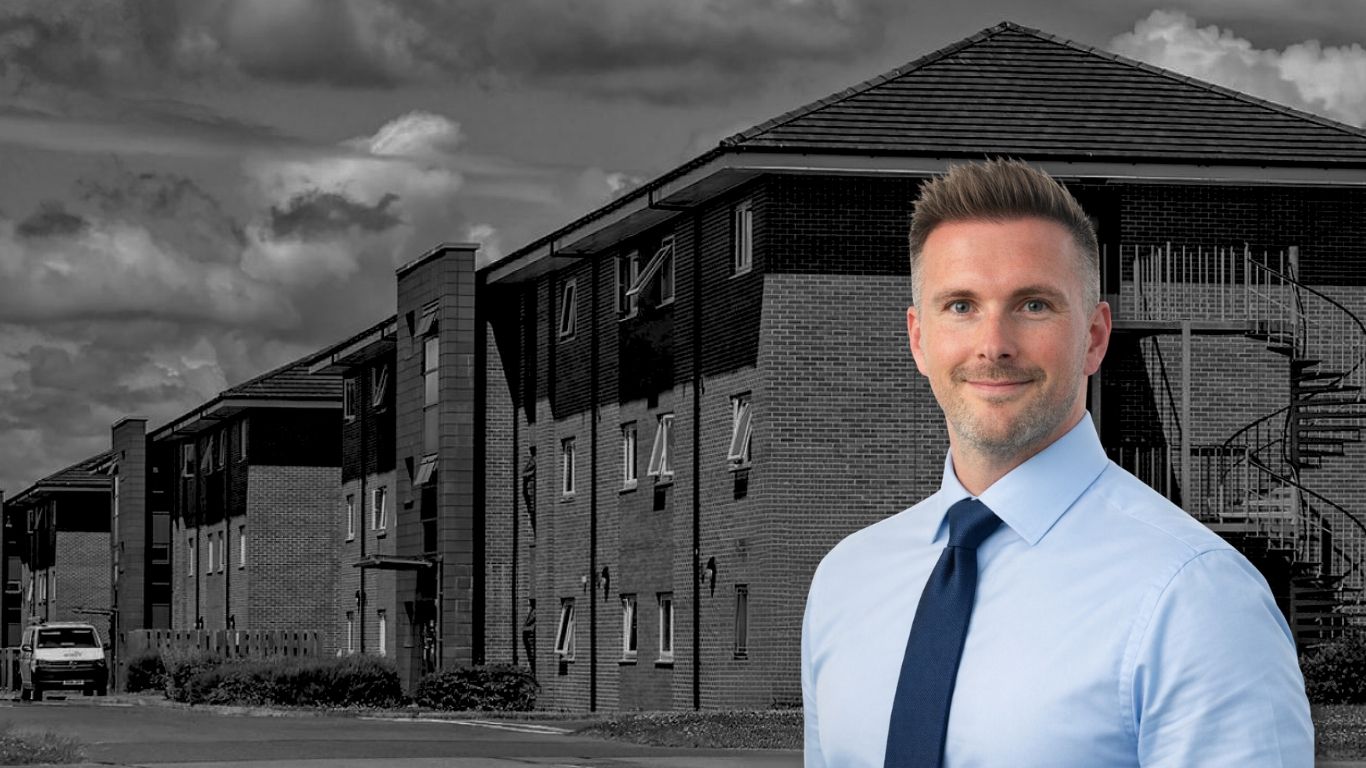
As the construction industry continues to evolve, delivering projects in secure and operationally sensitive environments requires more than technical expertise alone. It calls for careful planning, an understanding of operational demands and the ability to adapt when challenges arise.
For John Vardy, Managing Director at PMA Services, these considerations are central to how the business approaches project delivery, develops its capabilities and plans for the future.
Reflecting on the first three quarters of 2026, John shares his perspective on PMA's progress, the changing construction landscape and the priorities shaping the business as it looks towards 2027.
Raising Standards Across Construction and Project Delivery
One of PMA's significant achievements this year has been securing Chartered Company Membership of the Chartered Institute of Building (CIOB). Alongside the company's ongoing work towards ISO 27001 certification, this reflects a continued focus on professional standards, governance and information security.
These priorities are particularly relevant to PMA's work across government, defence and the custodial estate, where clients need confidence in both the quality of construction work and the processes supporting its delivery.
The Building Safety Act 2022 and wider changes to building regulations are also influencing how projects are planned and managed. Competence, accountability, quality assurance and clear records of completed work are increasingly important considerations.
For PMA, building safety must be considered throughout the project lifecycle, from initial design and planning through to construction, inspections and final handover.
Understanding the Challenges of Secure Environments
Construction work within a live prison, defence establishment or other secure facility presents challenges that may not be immediately apparent from the finished project.
Access restrictions, workforce vetting, tool controls, operational interruptions and the need to maintain essential services can all influence how work is delivered. A programme that appears straightforward on paper may require considerably more planning to achieve in practice.
PMA's experience in these environments helps the team understand these operational pressures and account for them from the outset.
Technical problem-solving is an important part of this work. PMA's ongoing programme of window grille installations across the custodial estate, for example, has required collaboration with manufacturers, technical specialists and client representatives to develop solutions suited to different buildings and security requirements.
This experience reinforces the value of combining practical construction knowledge with an understanding of the environment in which the work takes place.
Why Early Involvement Matters
One of the most effective ways to reduce risk on a complex construction project is to address potential challenges before work begins on site.
Early contractor involvement gives clients the opportunity to draw on practical delivery experience during feasibility, design and pre-construction. This can help identify technical constraints, establish realistic programmes, assess access requirements and anticipate potential disruption.
Within secure environments, these considerations are especially important. Security clearances, material movements, restricted working hours and coordination with operational teams can all affect programme and cost if they are not properly accounted for.
PMA's approach is to identify these factors early and build them into the delivery strategy, rather than attempting to resolve them once construction is underway.
Clear communication between clients, contractors and operational stakeholders is equally important, ensuring that responsibilities are understood and potential issues are addressed before they escalate.
Building the Right Team for Every Project
No two projects have exactly the same requirements. The technical scope, operational environment, programme and associated risks all influence the expertise needed to deliver successfully.
PMA brings together project managers, technical specialists, supervisors and construction operatives according to the needs of each individual project. Its capabilities span general building, refurbishment, civil engineering, mechanical and electrical services, fire protection, modular construction and secure systems installation.
The business also maintains a substantial pool of security-cleared personnel, supported by established supply chain relationships and specialist partners where required.
This allows PMA to develop project teams around the work itself, ensuring the right skills, experience and clearances are in place.
Growth Built on Experience
Looking towards 2027, PMA intends to build on its established position across government, defence and custodial environments while exploring opportunities in complementary sectors, including healthcare, education and the wider public estate.
Strengthening its Northern Division and continuing to develop its mechanical and electrical capabilities are also priorities.
The aim is to achieve sustainable growth in areas where PMA's experience can provide genuine value, without compromising the standards of delivery that underpin its existing client relationships.
Alongside this, continued investment in people, professional development and operational capability will remain important as the business responds to changing client requirements and industry expectations.
Looking Ahead
For PMA, successful construction project delivery comes down to understanding the brief, planning thoroughly, employing competent people and working collaboratively with clients and partners.
As regulatory expectations evolve and projects become increasingly complex, experience and adaptability remain valuable assets. The ability to anticipate challenges, understand operational priorities and develop practical solutions helps create greater certainty throughout the delivery process.
As PMA moves towards 2027, these principles will continue to guide its work across secure environments and the wider construction sector.